
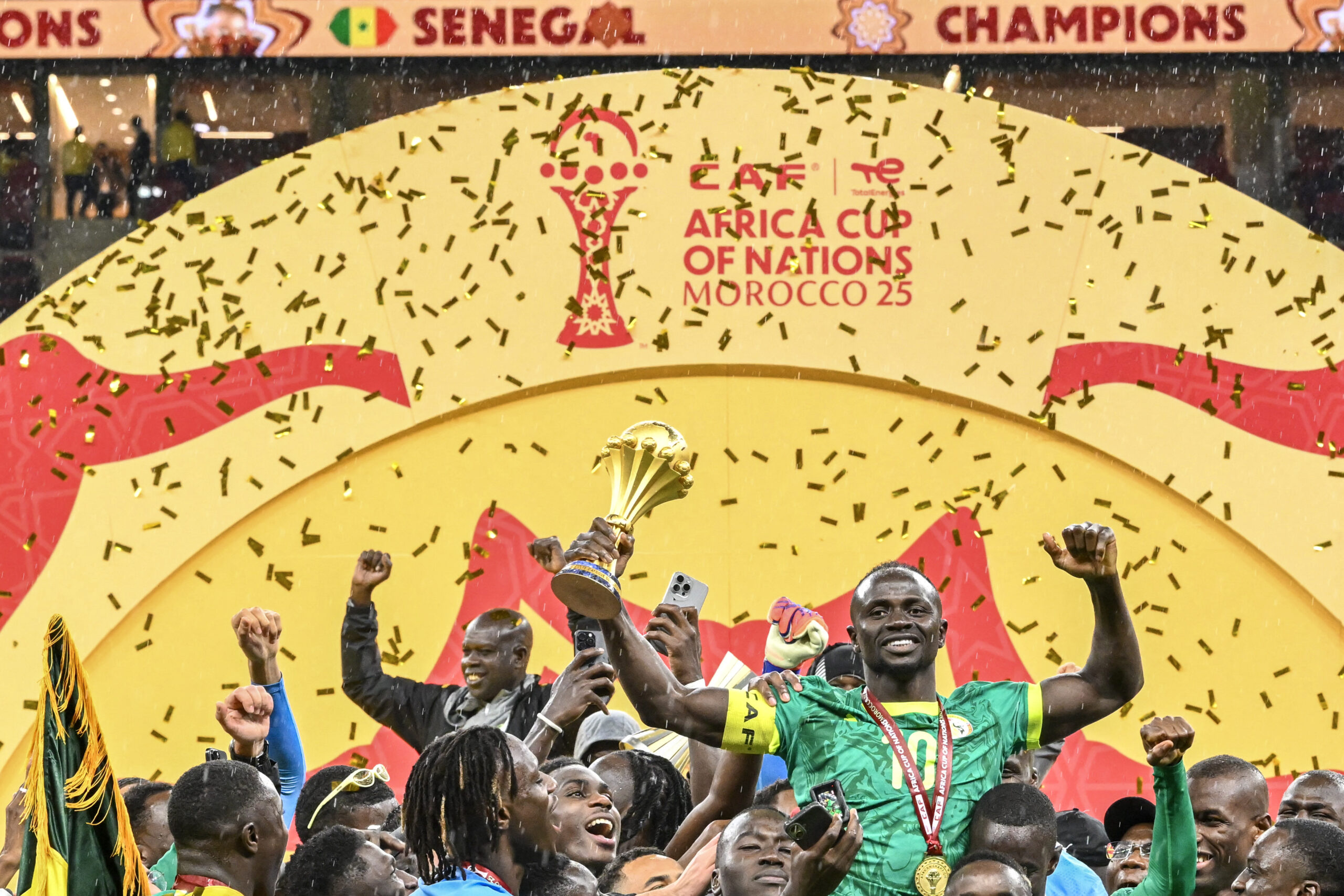
AFCON hosting is often treated as a reward. Morocco treated it as a strategy.
Long before AFCON 2025 kicked off, Morocco understood something many African nations still miss: tournaments are not about weeks of football — they are about years of leverage.
AFCON 2025 did not elevate Morocco accidentally. It revealed a country that has been preparing to dominate African football narratives, infrastructure, and influence for over a decade.
This was never just about matches.
Hosting as State Policy, Not Football Romance
Morocco’s football rise is inseparable from state intent.
Stadiums were not rushed into existence. Training centers were not built for optics. Investment followed a national sports vision aligned with diplomacy, tourism, and global branding.
Where others host AFCON to impress CAF, Morocco hosted to reposition itself within Africa and beyond it.
Football became a language of power.
Infrastructure That Outlives the Tournament
AFCON 2025 exposed a brutal truth: most African hosts build for the event, not for the future.
Morocco built differently.
- Facilities designed for daily use, not ceremonies
- Training centers integrated with youth development
- Stadiums aligned with club football calendars
Infrastructure here was not symbolic — it was functional. That distinction matters more than trophies.
Control of Narrative: The Invisible Advantage
Perhaps Morocco’s biggest victory was not logistical — it was narrative.
International media framed AFCON 2025 through Morocco’s efficiency, organization, and ambition. African football was presented as modern, capable, and globally competitive — with Morocco as the face.
This matters.
Narratives influence:
- Sponsorship flows
- CAF trust
- FIFA perception
Hosting became a storytelling exercise — and Morocco wrote the script.
The Federation-State Alignment Others Lack
In many African countries, federations and governments coexist uneasily. Power struggles undermine planning. Budgets fluctuate with politics.
Morocco avoided this trap through alignment.
The football federation operated with autonomy but shared objectives with the state. This balance insulated football decisions from emotional swings and political interference.
As one CAF insider observed:
“Morocco doesn’t negotiate football every four years. They execute a plan.”
That alone sets them apart.
Who Really Benefited from AFCON 2025 in Morocco?
Beyond results, Morocco gained:
- Enhanced continental influence
- Trust as a future mega-tournament host
- A stronger domestic league ecosystem
- Increased youth enrollment and visibility
These gains compound quietly. They don’t trend on social media — but they decide futures.
The Risk Ahead: Power Can Invite Resistance
Success attracts scrutiny.
Morocco’s rise will trigger resistance from rivals wary of its growing influence. Hosting power shifts internal CAF dynamics. Visibility brings expectations.
The next challenge is not building infrastructure — it is managing perception, partnerships, and politics.
Power must be negotiated, not assumed.
AFCON 2027 and the Future of Host Nations
AFCON 2025 may mark a turning point.
Future hosts will be judged not on hospitality, but on legacy planning. Morocco raised the bar — and exposed those unwilling or unable to match it.
Hosting AFCON is no longer ceremonial.
It is strategic warfare by other means.
Florsport International:
We document African football so the world can never rewrite it
Leave a Reply
You must be logged in to post a comment.