
For years, the script wrote itself each AFCON. European clubs would grimace, delay flights, and publicly fret as they lost vital players for a month. National teams would scramble, welcoming jet-lagged stars days before a tournament opener, hoping talent alone would forge a team.
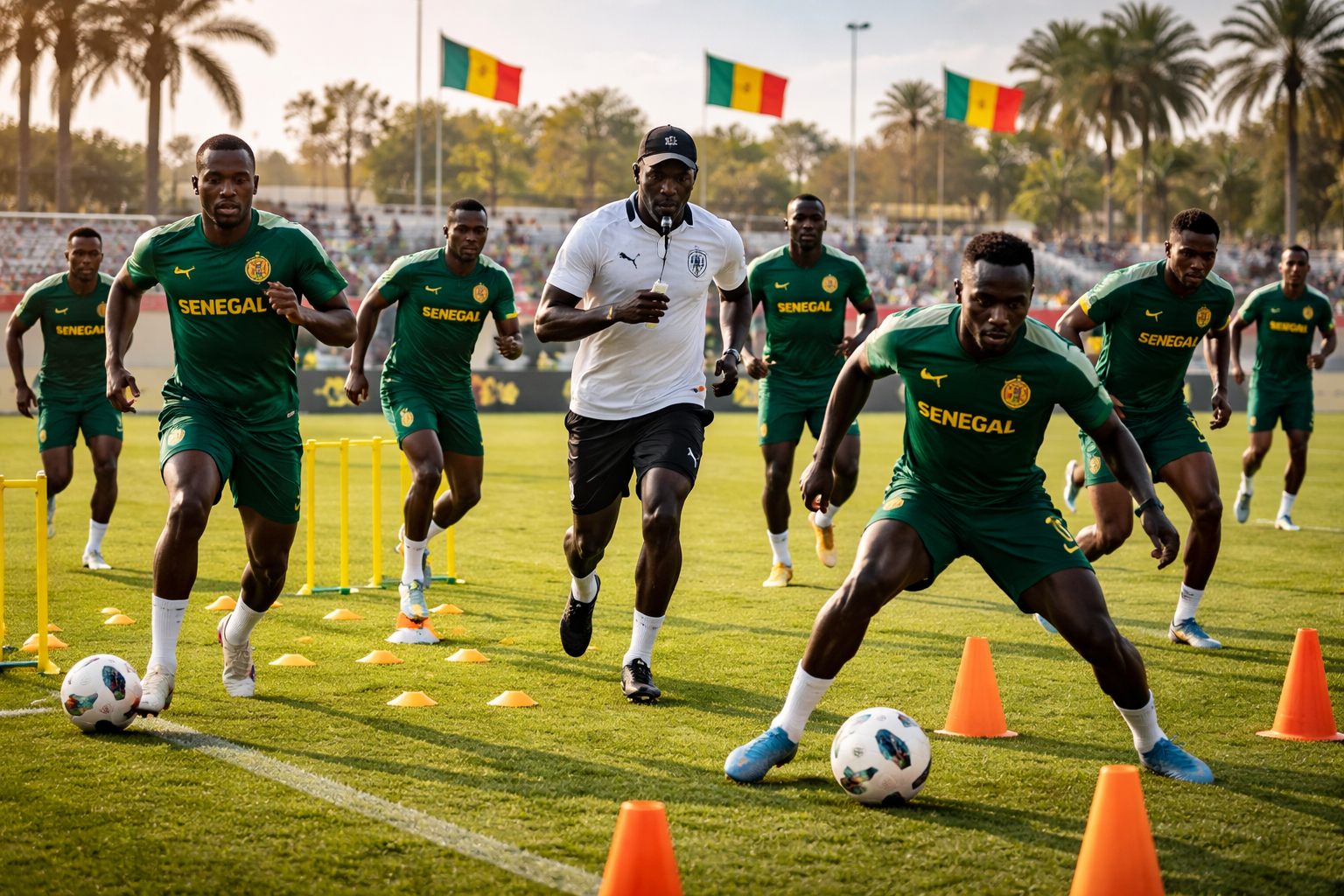
But for the 2025 Africa Cup of Nations, a defiant new narrative is brewing. As European resistance to player release, a tactical revolution is taking root on the training grounds of Morocco. Savvy coaches are turning a perennial headache into their secret weapon: the gift of time.
The change is simple but profound. With squads built heavily around stars from domestic leagues like Morocco’s Botola, South Africa’s PSL, and Tunisia’s Ligue 1, coaches now command weeks of uninterrupted preparation, not frantic days. This isn’t a Plan B; it’s becoming a strategic masterstroke.
“We are building a machine, not just assembling parts,” one national team analyst told us. “When your core group arrives from a handful of local clubs, they share a tactical language. We can drill set-pieces, perfect pressing triggers, and build cohesive units in a way that was impossible before.”
The evidence is in the patterns. Watch the qualifiers. Teams like Morocco and Senegal already field fluid, synced starting XIs dominated by local-based talent. They play with an understood rhythm—a product of shared experience and extended camps. Meanwhile, squads overly reliant on late-arriving diaspora stars sometimes resemble gifted individuals searching for a connection.
This shift spotlights a new generation of heroes. The 2025 tournament promises to be a breakout stage for the continent’s domestic legends. A prolific striker from the Egyptian Premier League or a dynamic midfielder from Tanzania’s Ligi kuu Bara won’t need adjustment; they’ll be the system’s engine from day one. Their names, familiar to ardent local fans, will echo globally by February.
This forced refocus challenges a deep-seated assumption in African football: that European pedigree always trumps local grit. What if the opposite becomes true? What if shared understanding and meticulous preparation overcome scattered star power?
The coming AFCON will test this thesis under the brightest lights. While European clubs view the tournament as a disruption, Africa’s best coaches are quietly thanking them. The closed club doors didn’t lock them out; they allowed them to build something stronger, smarter, and uniquely their own inside.
When the first whistle blows in 2025, watch for the team that moves as one. They haven’t just had better players arrive; they’ve had the time to become a better team.
Leave a Reply
You must be logged in to post a comment.