
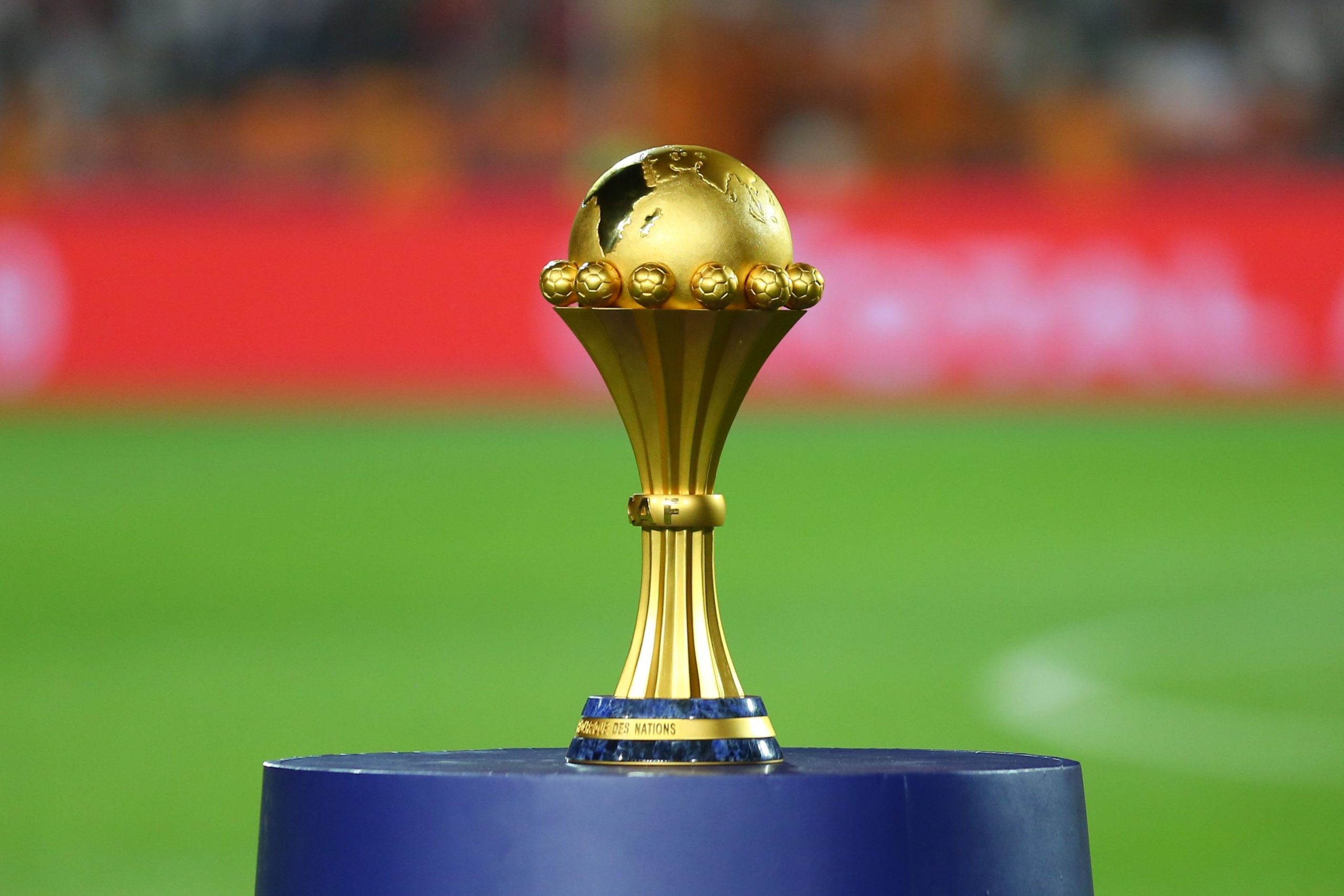
AFCON operates as one of African football’s most reliable economic gateways. Qualification unlocks structured income streams — CAF participation grants, prize money, sponsorship visibility, and renewed government backing. These benefits are predictable, recurring, and increasingly tied to long-term planning rather than short-term results.
For federations that qualify consistently, AFCON creates budget continuity. Sponsorship contracts become easier to secure, youth programs are defensible during audits, and coaching structures gain time to mature. In this context, qualification is not celebrated as a sporting miracle but managed as an institutional necessity.
Failure to qualify, however, produces a different reality. Federations outside AFCON cycles often face funding reviews, reduced sponsorship interest, and declining political leverage within CAF structures. The absence exposes how fragile many football economies remain — dependent not on talent pipelines alone, but on visibility, legitimacy, and continental relevance.
How AFCON Pays: The Financial Mechanics
While CAF does not publish fully itemized federation income, available tournament data and federation disclosures point to three core financial layers.
First is CAF participation and prize funding. Recent AFCON cycles have seen prize pools exceed USD 7 million, with every participating federation receiving a guaranteed base allocation before performance bonuses. While these figures do not fully finance national teams, they often represent the single largest external football income for many associations.
Second is government and institutional support. Qualification frequently triggers increased state subventions, logistical backing, and budget approvals tied to national visibility. In several countries, sports ministries explicitly link funding levels to continental participation.
Third is commercial visibility. AFCON-qualified federations report stronger leverage in sponsor negotiations, particularly with telecommunications firms, airlines, and betting companies. Even conservative sponsorship estimates suggest six- to seven-figure annual deals for consistently visible national teams — figures rarely achievable outside major tournaments.
Case Studies: Federations That Qualify — and Compound.
Egypt: Scale and Institutional Continuity:
Egypt’s regular AFCON participation has allowed the Egyptian Football Association to maintain long-term sponsorship relationships and stable domestic broadcasting arrangements. Even during periods of underperformance, the federation’s assumption of AFCON presence has sustained commercial confidence.
Egypt’s absence between 2011 and 2017 offers a counter-example: sponsorship uncertainty increased, administrative turnover followed, and the federation required structural rebuilding despite the country’s football heritage.
Cameroon: State Alignment Through Visibility
Cameroon’s frequent AFCON appearances have reinforced state involvement in football funding. Qualification strengthens political justification for infrastructure investment and federation support. While not all funds are efficiently deployed, the financial floor created by AFCON presence remains intact.
Ghana: Decline Through Interruption
Ghana’s previous consistency positioned the Ghana Football Association as one of West Africa’s strongest institutions. Recent qualification failures have coincided with sponsorship withdrawal, reduced public trust, and federation restructuring. The contrast underscores how absence accelerates institutional fragility.
Senegal: Extracting Maximum Value
Senegal stands out not simply for success, but for conversion efficiency. AFCON participation has been leveraged into sponsorship stability, technical investment, and player market value growth. Senegal’s federation has increasingly treated AFCON as a development anchor, not a seasonal objective — making it arguably the strongest financial beneficiary relative to size.
The Cost of Missing AFCON
Non-participation produces immediate and long-term costs:
- CAF distributions are lost
- Sponsorship contracts lapse or shrink
- Government funding faces scrutiny
- Coaching projects are interrupted
Nigeria’s absence from AFCON 2015, despite global star power, resulted in reduced commercial leverage and federation instability. South Africa’s inconsistent qualification has similarly limited long-term program continuity.
The lesson is structural: star players do not offset institutional invisibility.
Why AFCON Participation Equals Power
AFCON functions as:
- A financial stabilizer
- A political legitimacy signal within CAF
- A commercial qualification badge
Federations that treat qualification as optional expose themselves to cyclical collapse. Those that treat it as non-negotiable build resilience, even during sporting downturns.
Looking Ahead: AFCON 2027 and the New Divide
As AFCON 2027 approaches — hosted across East Africa — the tournament will further separate federations that prepare institutionally from those that rely on momentary talent.
The next competitive divide will not be tactical. It will be administrative. Federations that secure qualification, protect sponsorship continuity, and align youth systems to tournament cycles will emerge stronger — regardless of match outcomes.
AFCON’s future is not just about expanding formats or broadcasting reach. It is about whether African football institutions finally recognize that participation itself is power.
Those who miss the platform will not merely miss matches. They will miss relevance.
Leave a Reply
You must be logged in to post a comment.